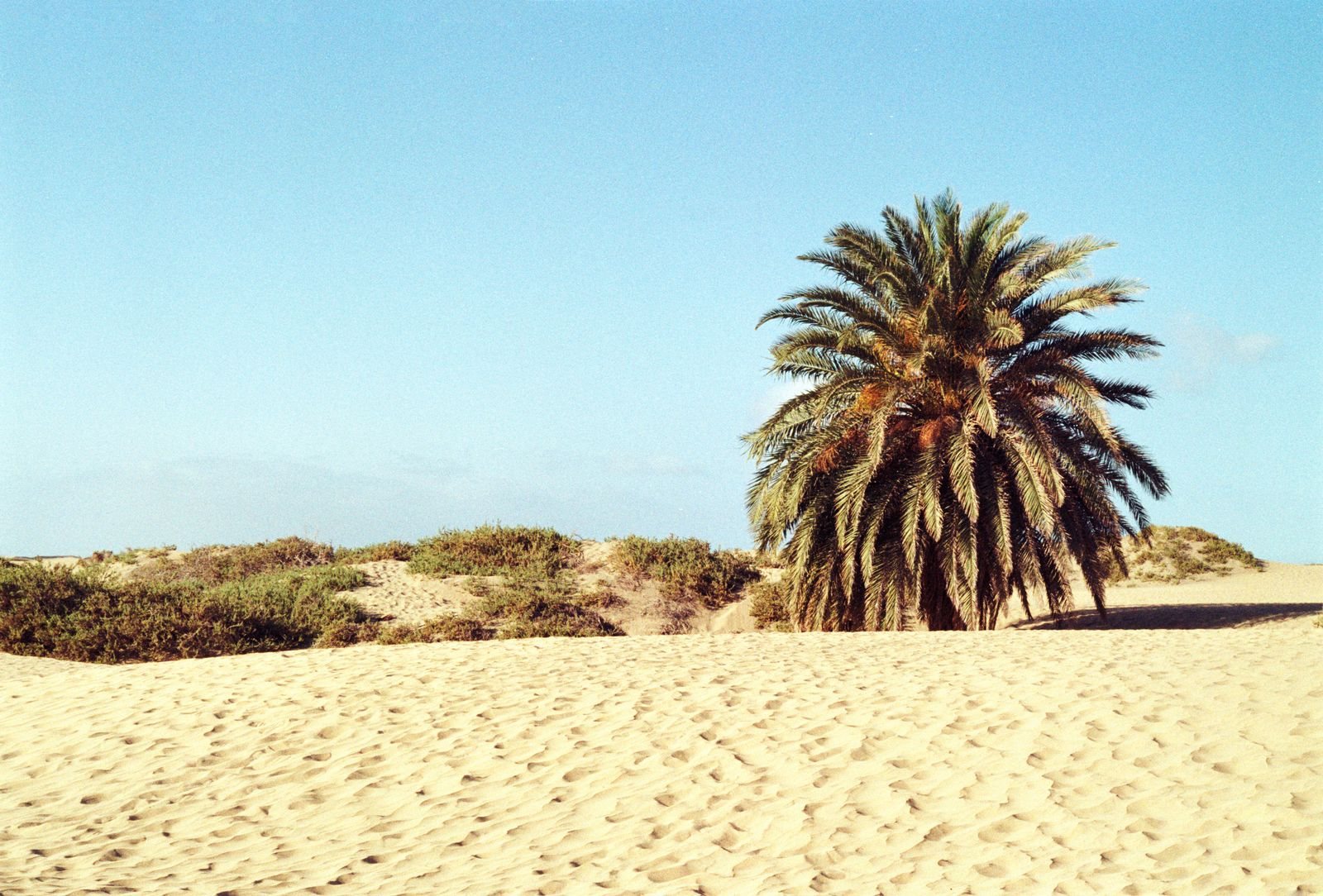
Gran Canaria is often described as a miniature continent, and the cliché holds: cross the island in a day and you pass from Sahara-like dunes to pine forests, deep ravines and a subtropical-feeling north. The south coast holds the famous resorts and the Maspalomas dune field; the northeast holds Las Palmas, a real Spanish city with one of Europe’s great urban beaches.
The island rewards travellers who mix the two — a few days based in the city for food, culture and Las Canteras beach, then the south for dunes and sun, with a mountain day in the middle. Drivers get the most from the interior; the bus network is good between the capital and the resorts.
When to go
Gran Canaria’s south is one of Europe’s most reliable winter-sun bets, while the interior and north vary much more with the season.
| Season | What it feels like | Good to know |
|---|---|---|
| Spring | Warm, bright and not yet crowded | Wildflowers in the interior, comfortable hiking, pleasant seas starting. |
| Summer | Hot in the south, festive in the city | Peak season. The north coast and mountains give relief from the heat. |
| Autumn | Warm seas, golden light, quieter resorts | A favourite season for walkers — the island greens up after summer. |
| Winter | Mild south, cool and greener interior | Winter-sun season in the resorts; pack layers for Roque Nublo country, where it can feel like a different climate. |
Getting there & around
Gran Canaria Airport (LPA) sits on the east coast between Las Palmas and the southern resorts, with wide European links. Ferries run to Tenerife and other Canaries from Las Palmas and Agaete if you are island-hopping.
Buses link Las Palmas, the airport and the south-coast resorts well; a rental car comes into its own for the interior — the ravine roads to Tejeda, Artenara and Roque Nublo are the island’s scenic core. In Las Palmas itself, walk: Vegueta, Triana and the Las Canteras promenade are all foot-friendly.
Where to stay
City, south or interior — Gran Canaria’s three bases give three different trips:
Las Palmas
The capital suits travellers who want a city first: Las Canteras beach, the Vegueta old town, museums, markets and the island’s best everyday food scene. Stay near the beach for a city-and-sand mix.
The south resorts
Maspalomas, Playa del Inglés and Puerto Rico offer the sunniest weather, the most apartments and hotels, and the dunes on the doorstep. Maspalomas is the calmer, greener end of the strip.
Puerto de Mogán
A smaller, prettier resort village in the southwest — marina, canals and a sheltered beach, good for a quieter south-coast base.
The interior villages
Tejeda and Artenara offer rural hotels and cave houses among ravines and almond groves — for walkers and second-trip travellers seeking the island’s quiet heart.
Things to do
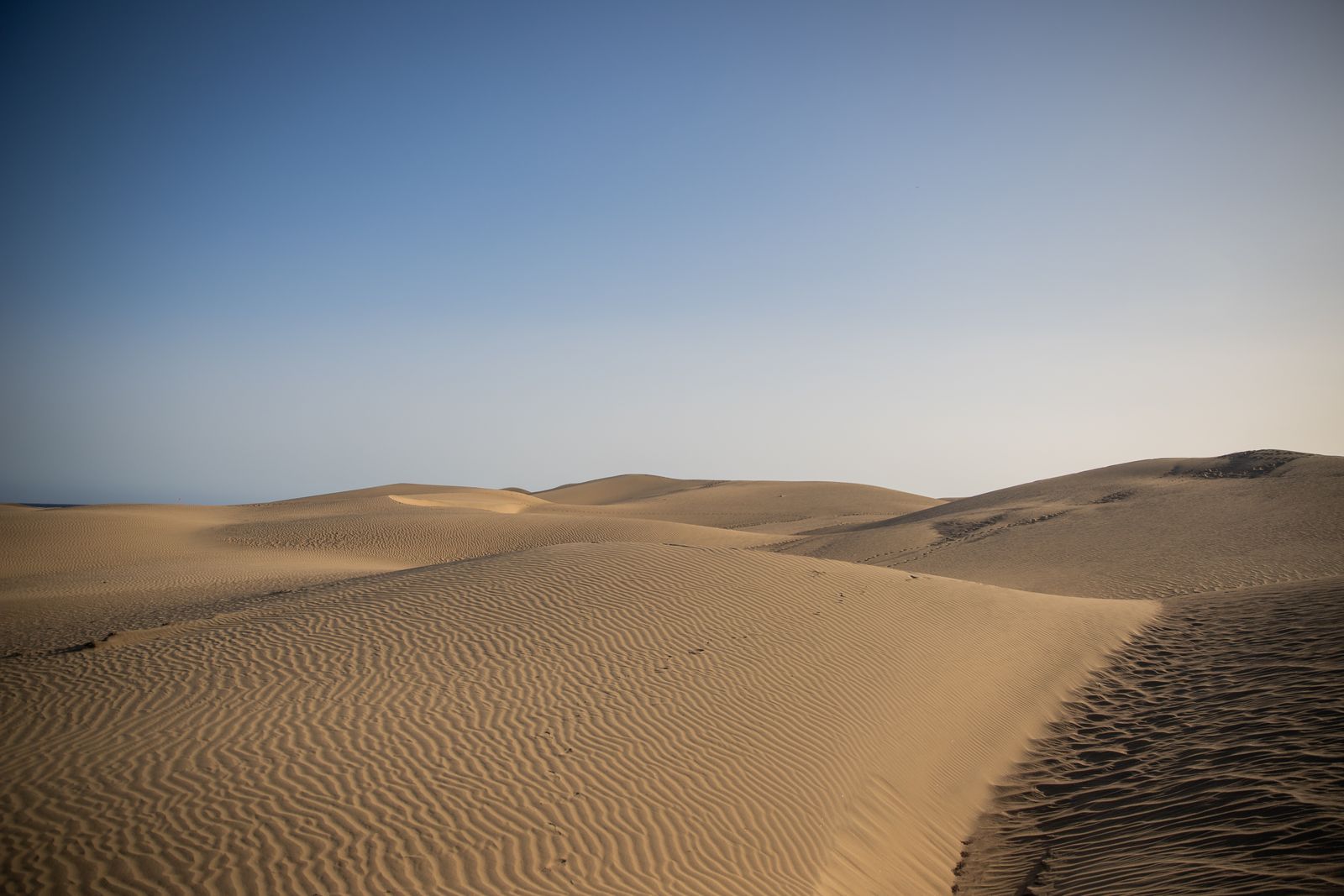
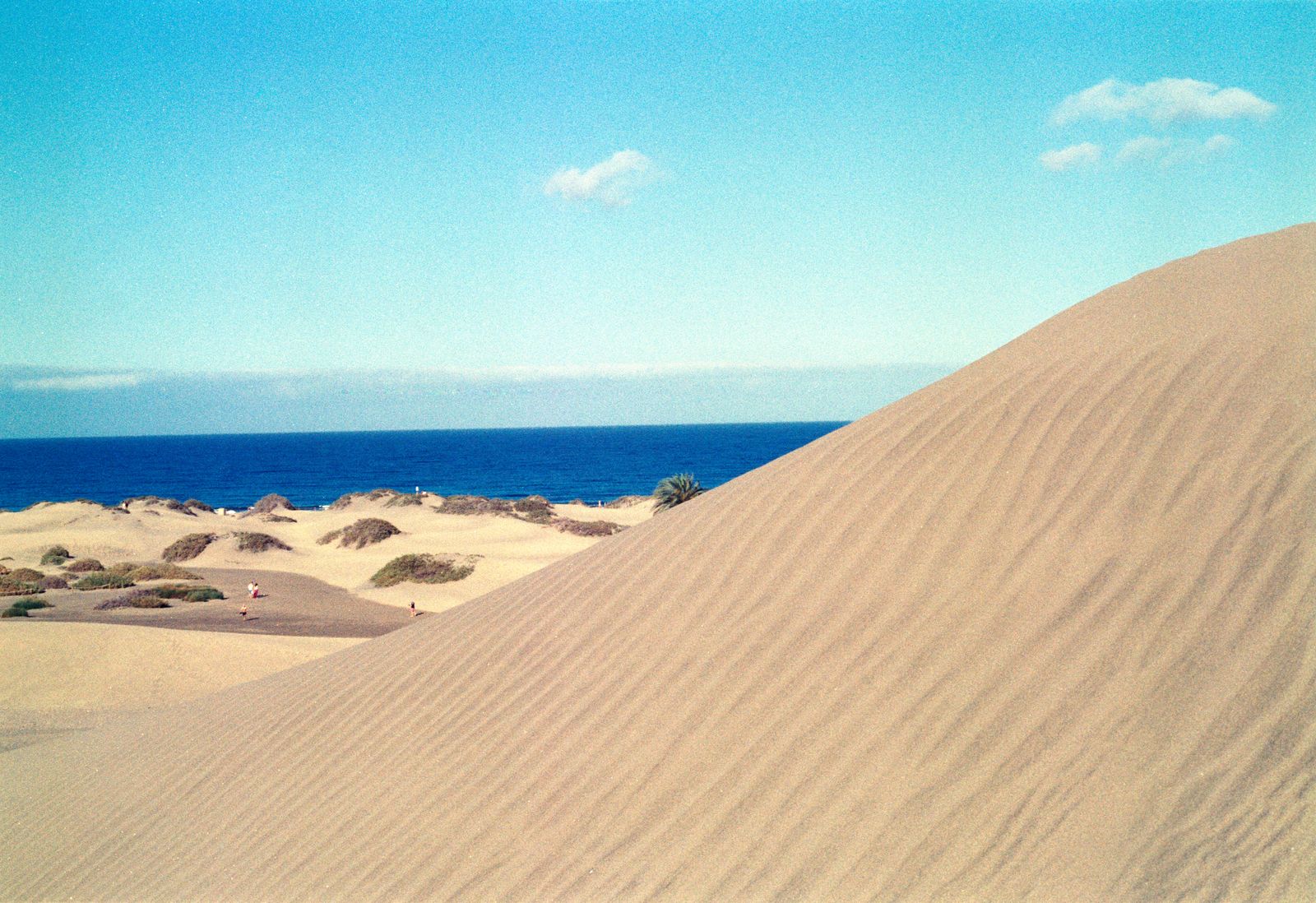
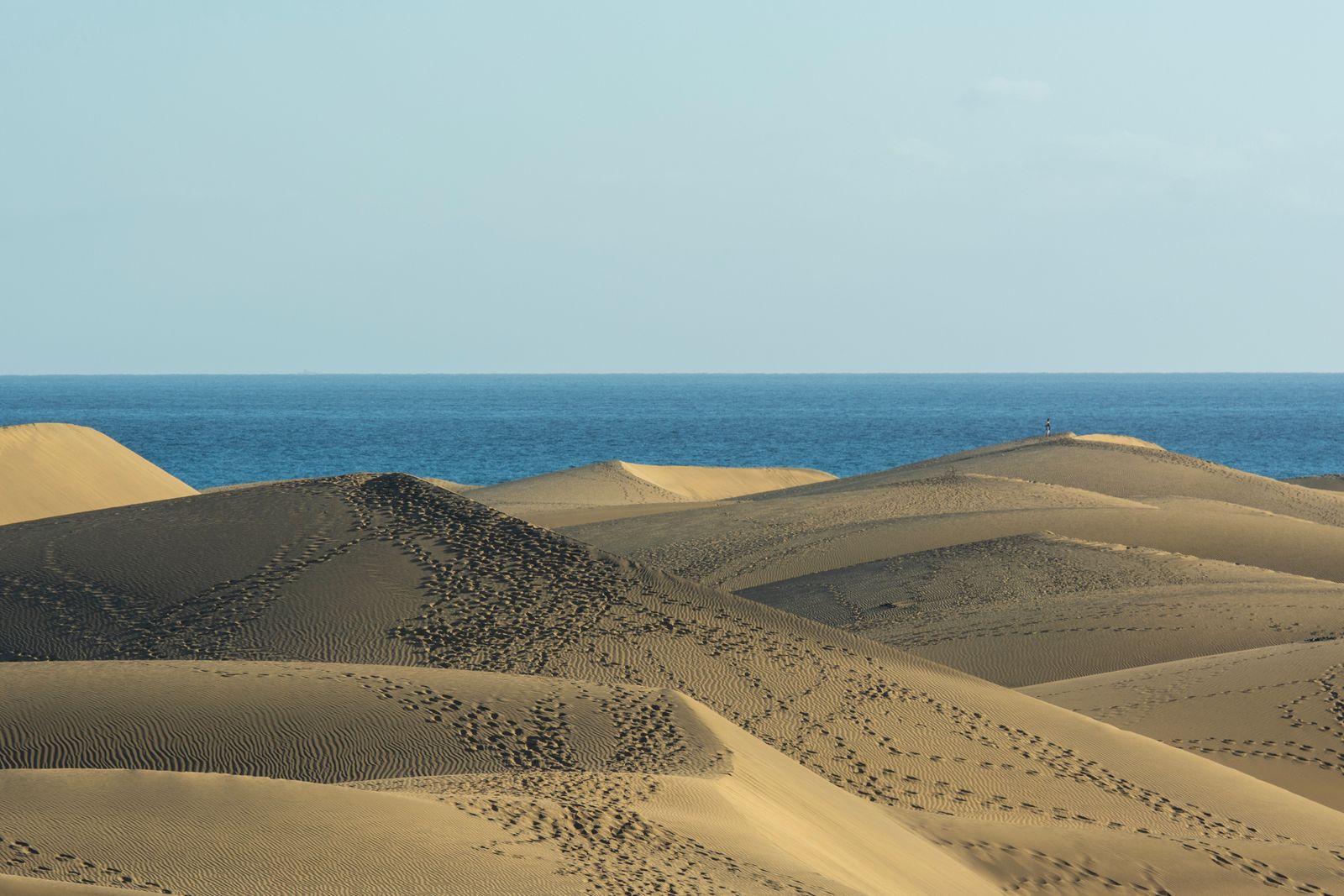
- Walk the edge of the Maspalomas dunes at sunrise or late afternoon, when the light shapes the sand (stay on permitted paths — the field is protected)
- Drive into the interior to Roque Nublo, the island’s landmark rock, and walk the short trail toward it
- Explore Vegueta, Las Palmas’ old town — the cathedral quarter and the Casa de Colón
- Swim and promenade at Las Canteras, the capital’s long city beach
- Visit the village of Tejeda, regularly named among Spain’s prettiest, for almond sweets and ravine views
- See the other side of the island at Agaete and the green Agaete valley in the northwest
- Tour the Bandama caldera, a volcanic crater minutes from the capital
Sample 3-day itinerary
Las Palmas: Vegueta old town in the morning, Las Canteras beach and promenade for the afternoon.
The interior loop: Bandama caldera, then up through the ravines to Tejeda and the Roque Nublo trail.
The south: Maspalomas dunes and lighthouse, then Puerto de Mogán for a swim and a harbour-side evening.
Gran Canaria in pictures
Gran Canaria FAQ
Las Palmas or the south — where should I stay?
Las Palmas for city life, food and a great urban beach; the south for maximum sun, resorts and the dunes. Splitting the stay works well on trips of five days or more.
Is Gran Canaria just resorts?
No — the resorts occupy the south coast. The interior mountains, the green north and the capital are a different island entirely, and most visitors never see them.
How do I see the interior without a car?
Organised day tours run from Las Palmas and the south resorts to Roque Nublo and Tejeda; public buses reach some villages but slowly. A car is easiest.
When is Gran Canaria warmest?
Summer and early autumn are hottest, especially in the south. Winter remains mild on the south coast — the island’s whole appeal.
Plan this trip
Compare options for this island with our travel partners — links open in a new tab.