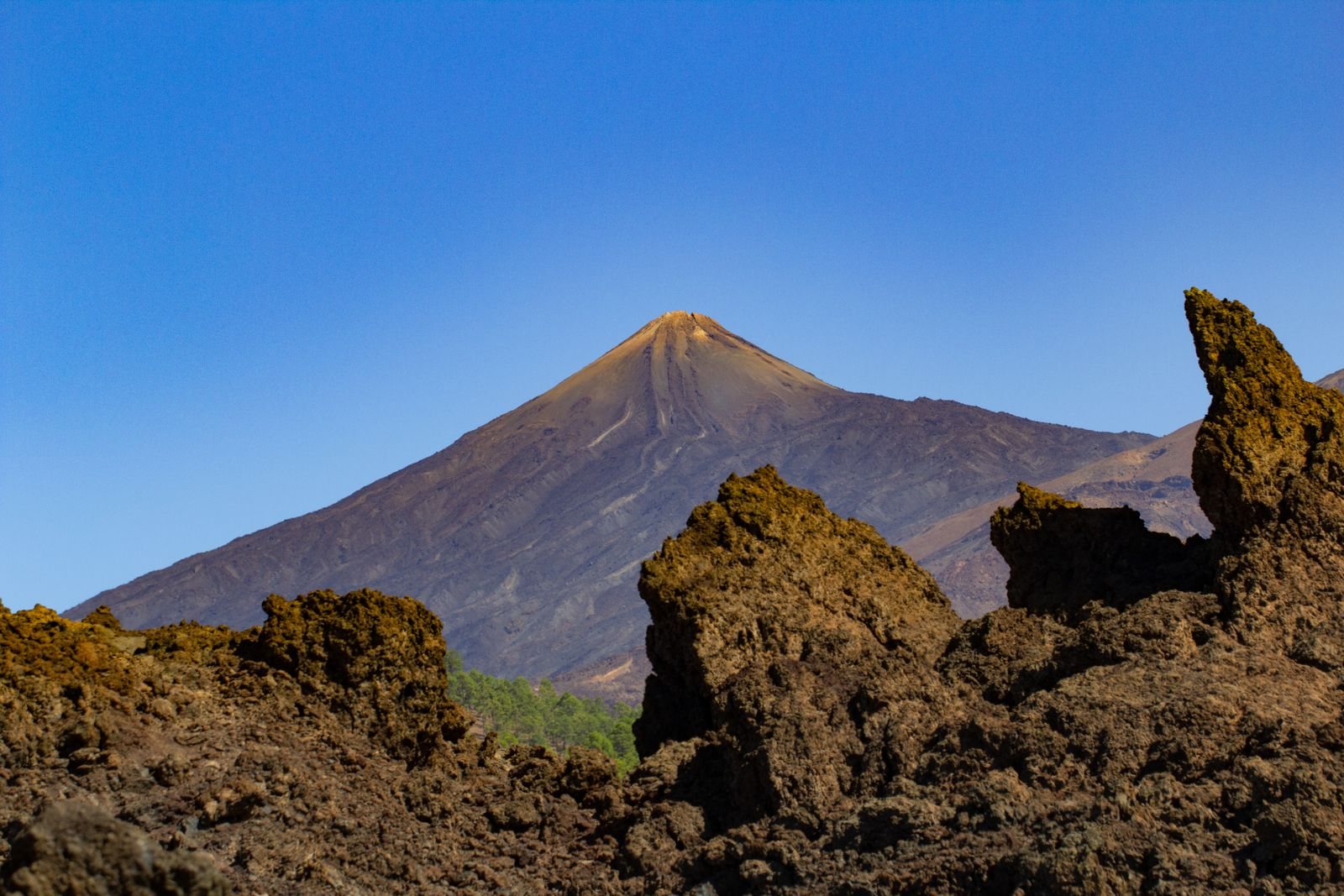
Tenerife is the largest of the Canary Islands and the one with the sharpest contrasts. Mount Teide — Spain’s highest peak — anchors a volcanic interior of lava fields and pine forest, while the coasts split into two personalities: the humid, green north of banana groves and historic towns, and the dry, sunny south of resorts and beaches.
Most first-time visitors pick one coast as a base and day-trip to the other, with a Teide day in between. Give the island at least five days if you can: the distances are not huge, but the mountain roads and the sheer variety reward a slower pace.
When to go
Tenerife is a year-round island, but the season changes the balance between beach days, hiking conditions and crowds.
| Season | What it feels like | Good to know |
|---|---|---|
| Spring | Warm, bright, trails in good shape | A sweet spot: mild hiking weather in Teide and Anaga, coasts pleasant, crowds moderate. |
| Summer | Hot and dry in the south, busy everywhere | Peak beach season. The north and high country stay fresher; book stays early. |
| Autumn | Warm seas, easing crowds | Excellent all-round season — sea swimming lingers and the resorts quieten. |
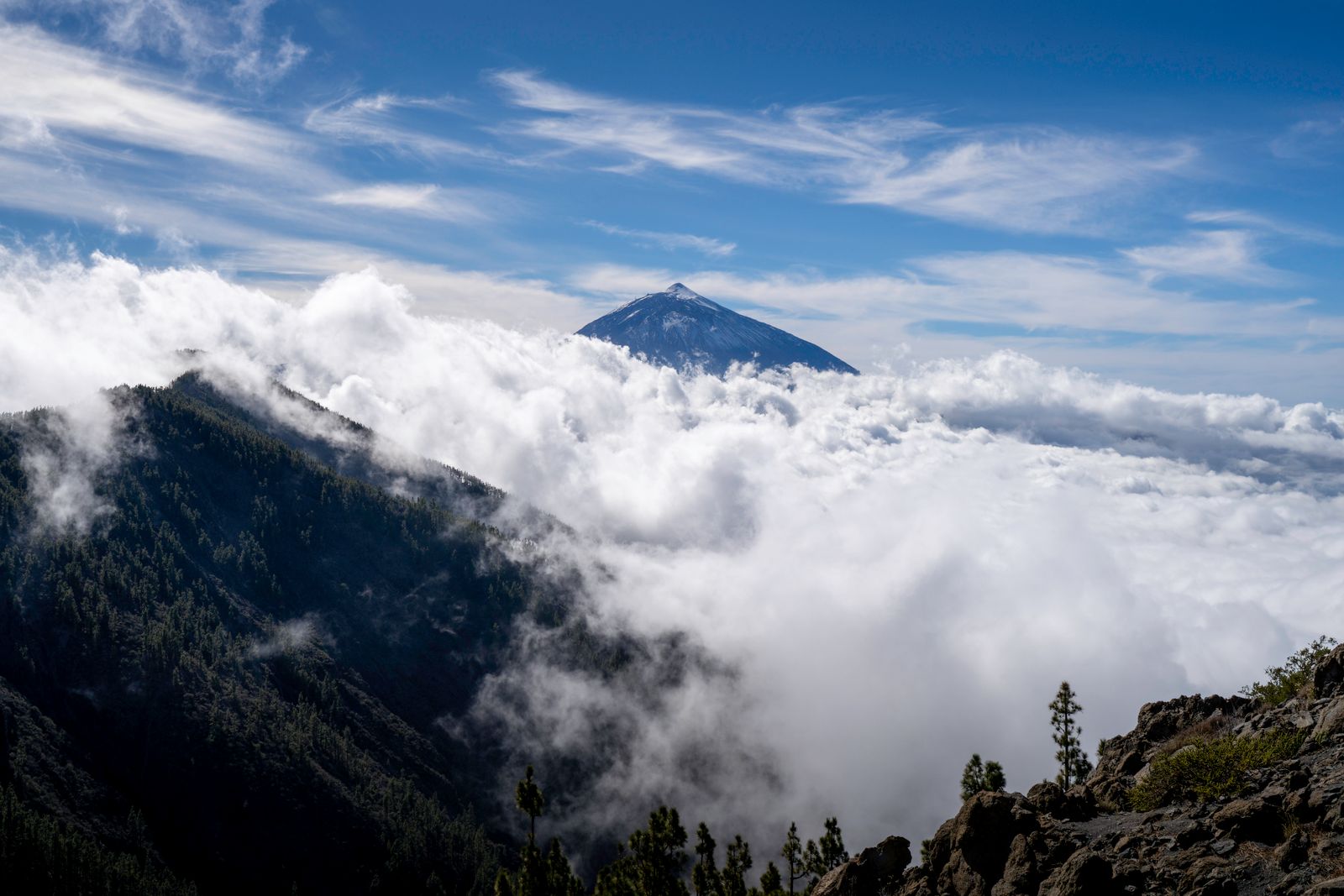
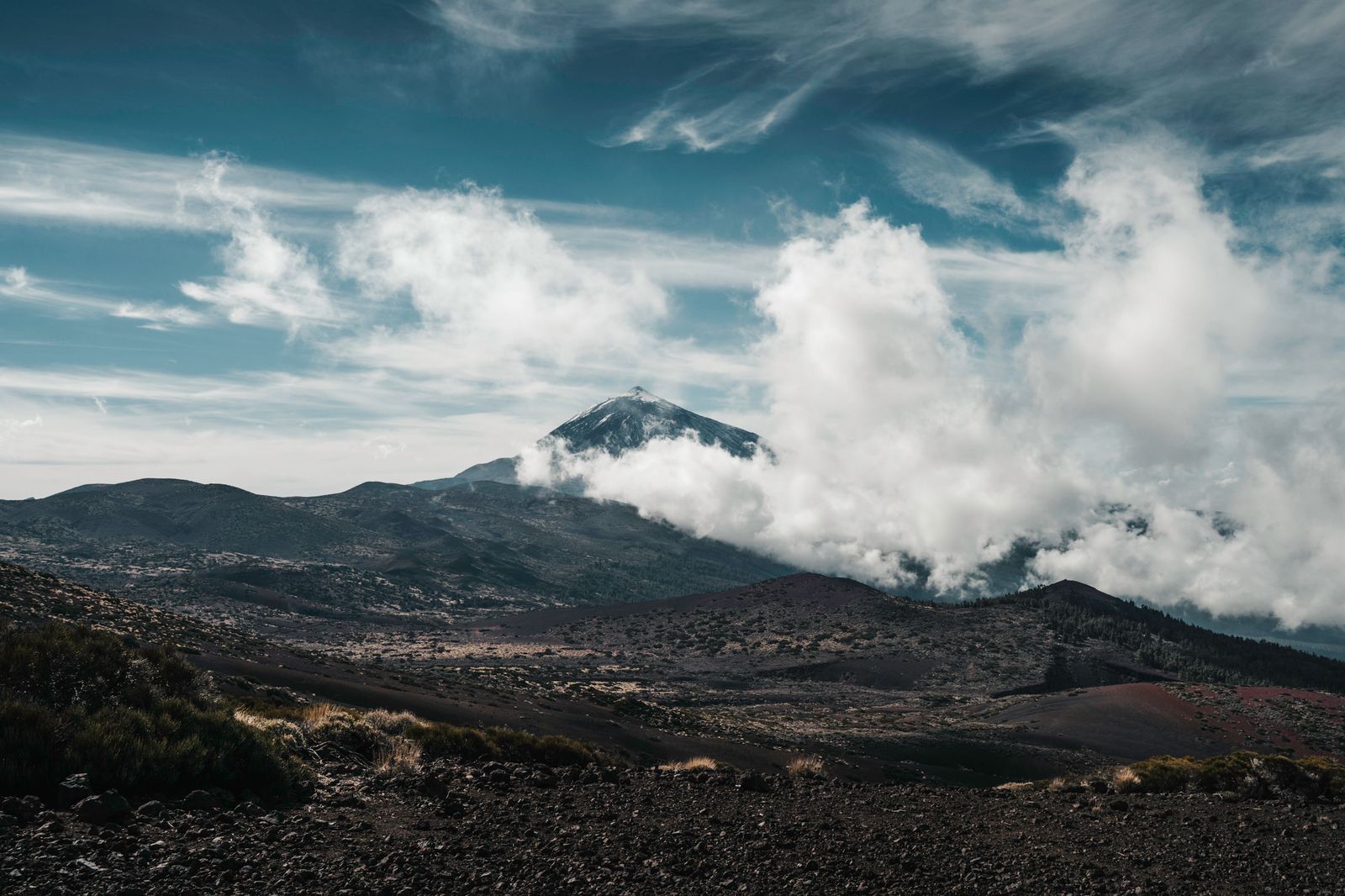
| Winter | Mild south, cooler green north | The classic winter-sun escape. Teide’s summit can be near freezing while the south coast swims — pack for both. |
Getting there & around
Tenerife has two airports: Tenerife South (TFS) serves most international and resort traffic; Tenerife North (TFN) handles mainly domestic and inter-island flights. Ferries connect Tenerife with Gran Canaria and the smaller Canaries for island-hopping.
A rental car is the easiest way to combine Teide, Anaga and both coasts, but the island also has one of the Canaries’ better bus networks linking the resorts, Santa Cruz and Puerto de la Cruz. The Teide cable car and summit access are weather-dependent and the summit itself needs a permit booked ahead — check before you go.
Where to stay
North or south is the big Tenerife decision. Neither is wrong; they are different holidays:
The south resorts
Costa Adeje, Los Cristianos and Playa de las Américas offer the driest weather, the most hotels and apartments, and easy beach days. Choose the south for winter sun and convenience.
Puerto de la Cruz (north)
A long-established resort town with greenery, local life and Atlantic views — cloudier and cooler than the south, richer in character. Good for walkers heading to the Orotava valley.
La Laguna & Santa Cruz
The historic university city of La Laguna (UNESCO-listed) and the capital Santa Cruz suit travellers who want culture, food and transport links over beach clubs.
The rural northwest
Garachico and the villages around the Teno mountains offer natural pools, quiet stays and dramatic scenery — best with a car.
Things to do
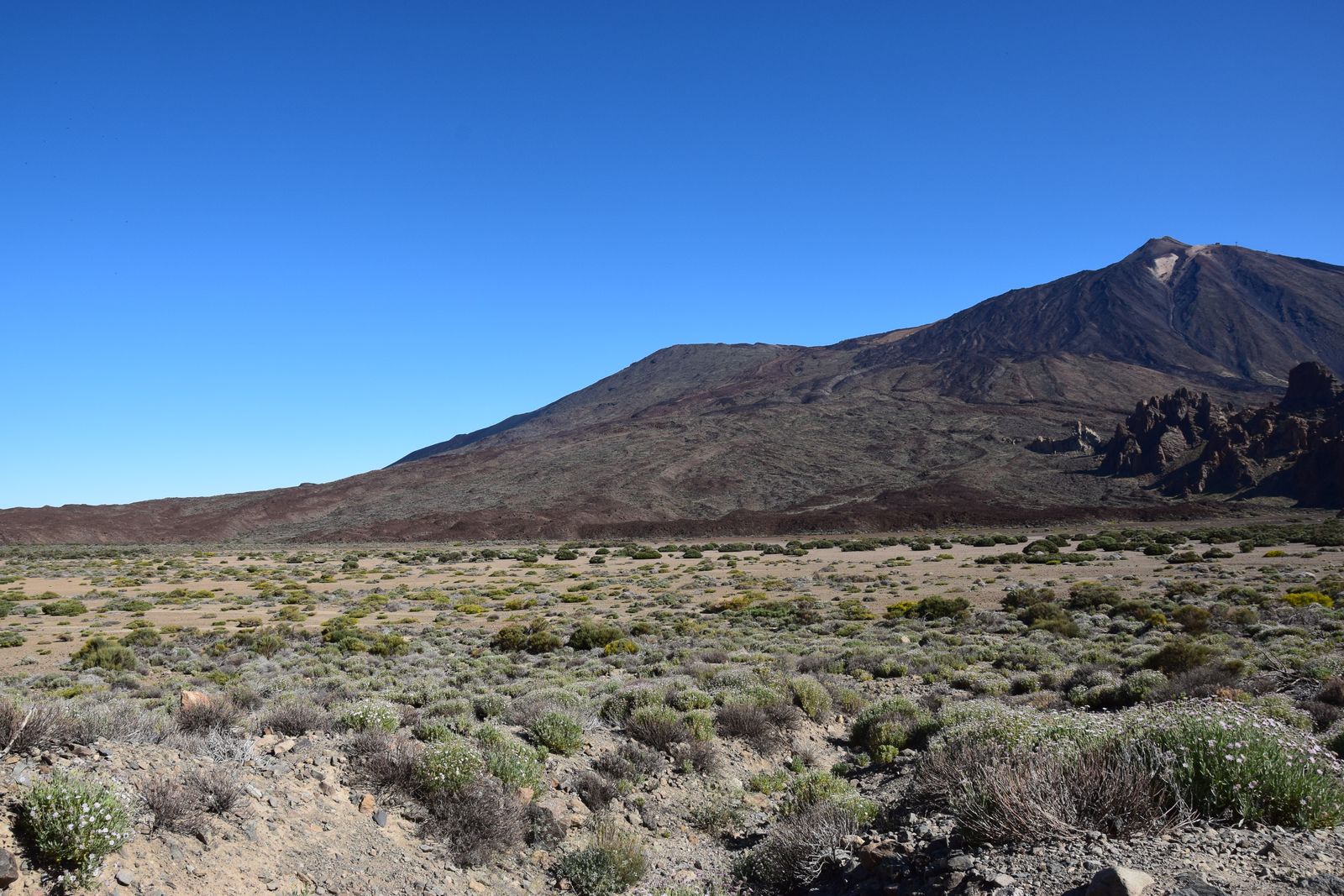
- Spend a day in Teide National Park — lava fields, Roques de García and, conditions allowing, the cable car toward the summit
- Walk in the laurel forests of Anaga Rural Park, the island’s green northeast corner
- Explore historic La Laguna, a UNESCO-listed colonial old town
- Take a whale and dolphin watching trip from the southwest coast, where pilot whales live year-round
- Swim in natural rock pools — Garachico in the northwest is the classic stop
- Drive the Masca valley road for one of the island’s great mountain drives (check access rules before you go)
- Contrast a north-coast day (Puerto de la Cruz, La Orotava) with a south-coast beach day
Sample 3-day itinerary
Teide National Park: viewpoints, Roques de García and the visitor centres; descend through Vilaflor, one of Spain’s highest villages.
The north: La Laguna’s old town in the morning, then Anaga’s laurel forest trails and coastal viewpoints.
The south coast: a whale-watching trip or beach day around Costa Adeje, with sunset in Los Gigantes’ cliff country.
Tenerife in pictures
Tenerife FAQ
North or south Tenerife — which is better?
The south is sunnier and more resort-based; the north is greener, more local and better for walking and towns. Many travellers split their stay between the two.
Can you visit Teide in winter?
Yes, but summit conditions can be wintry even while the coast is warm. The cable car closes in high winds, and summit permits must be booked in advance.
Which airport should I use?
Tenerife South (TFS) for most international flights and southern resorts; Tenerife North (TFN) is closer to Santa Cruz, La Laguna and Puerto de la Cruz.
How many days do I need in Tenerife?
Five to seven days covers both coasts plus Teide comfortably. Three days works for one coast plus a Teide day.
Plan this trip
Compare options for this island with our travel partners — links open in a new tab.