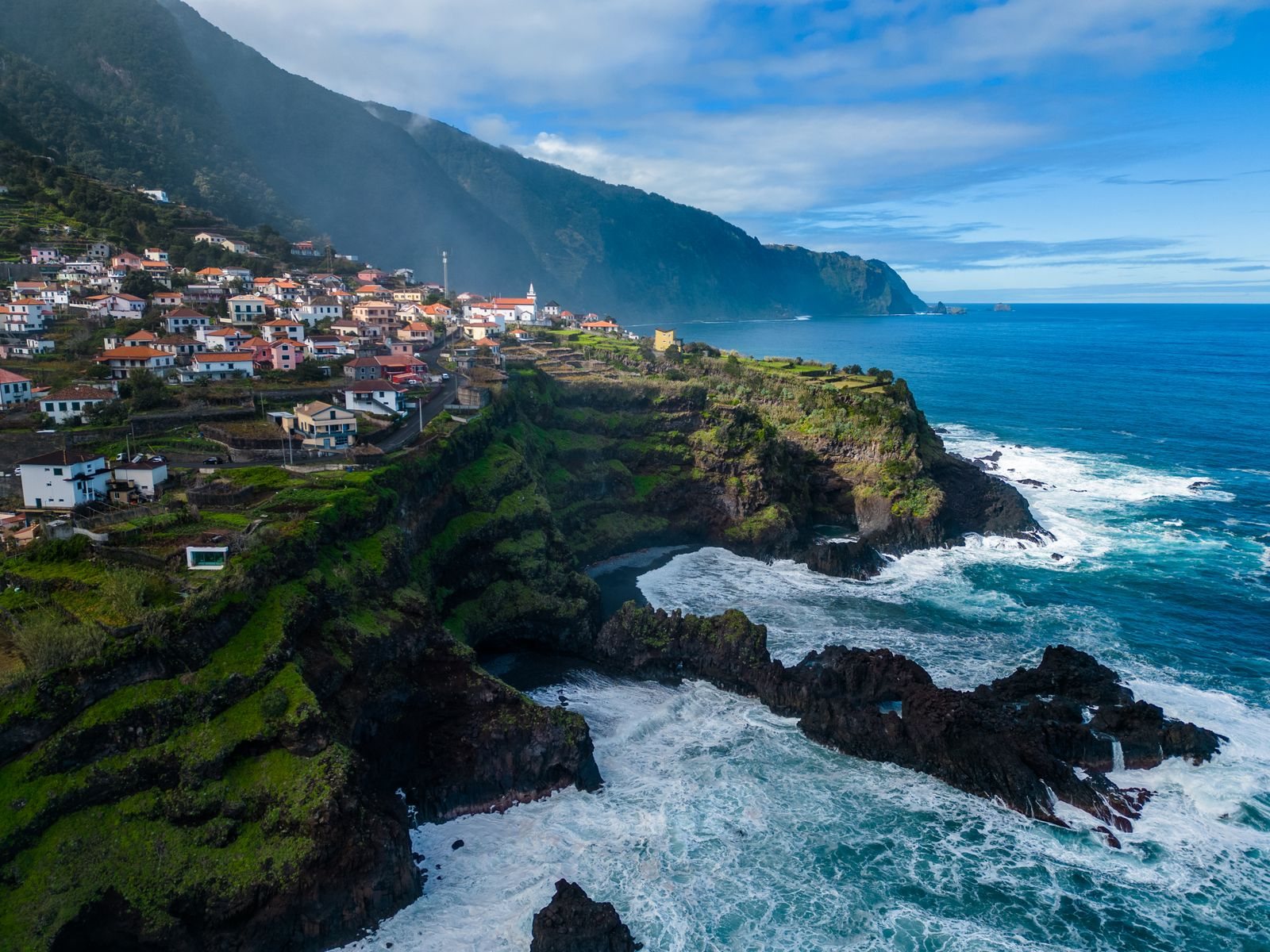
Madeira is a mountain that rises straight out of the Atlantic and catches the clouds. The result is an island of contrasts packed into a small space: flower-filled Funchal in the sunny south, laurel forest and levada paths in the high interior, and a wilder, greener north coast where villages sit between cliffs and sea.
First-time visitors usually base in or near Funchal and day-trip outward — the island is compact enough that almost anywhere is within about an hour’s drive, but steep and winding enough that you will not want to cross it twice a day. Walkers come for the levada network, garden lovers for the planting that thrives in the mild climate, and winter travellers for some of the gentlest weather in Europe at this latitude.
When to go
Madeira markets itself as the island of eternal spring, and at sea level that is close to true — but altitude changes everything, and the season still shapes what you can do.
| Season | What it feels like | Good to know |
|---|---|---|
| Spring | Mild and fresh; gardens at their best | The famous flower season. Levada walks are green and flowing; bring a layer for the hills. |
| Summer | Warm and driest at the coast | Best for swimming and boat trips. The high country is clearest early in the day. |
| Autumn | Warm seas, quieter trails | Harvest time, including wine traditions around Funchal. Showers return gradually. |
| Winter | Mild at the coast, cool and wet up high | A classic winter-sun escape. Mountain weather can close exposed routes — check conditions daily. |
Getting there & around
Most visitors fly into Madeira Airport on the east coast, with direct routes from many European cities and connections through mainland Portugal. The airport is a short drive from Funchal. There are no practical ferry links for most travellers, so flying is the plan.
A rental car gives the most freedom for viewpoints, trailheads and the north coast — choose something you are comfortable driving on steep, twisting roads, and expect tunnels to do much of the work. Funchal itself is walkable, buses cover the main towns and popular sights, and guided day tours are a relaxed way to reach the high country without driving. Taxis and hotel shuttles fill the gaps.
Where to stay
Stay choices on Madeira are really about coast and altitude. Pick a base that matches your days, not just your nights:
Funchal
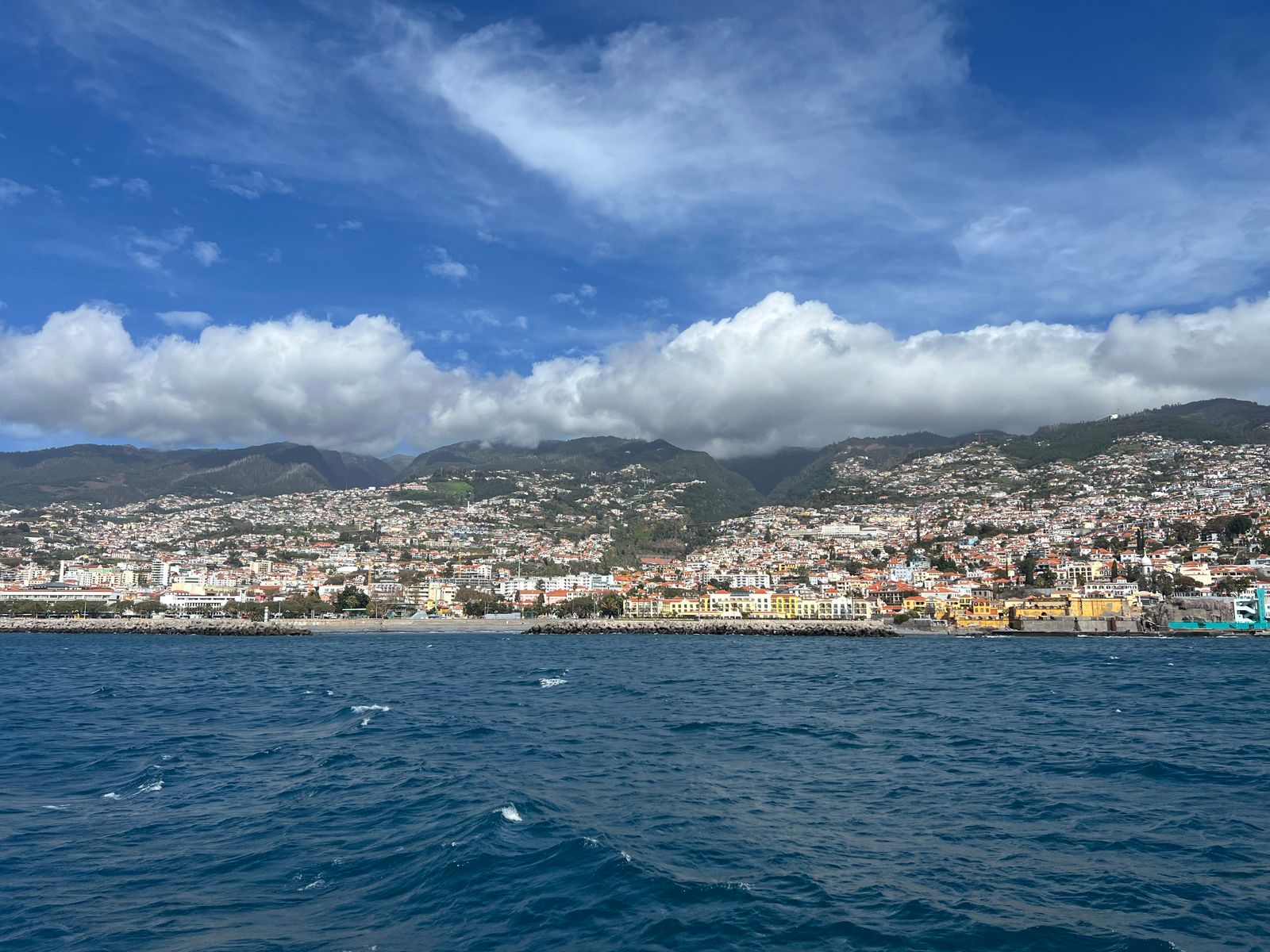
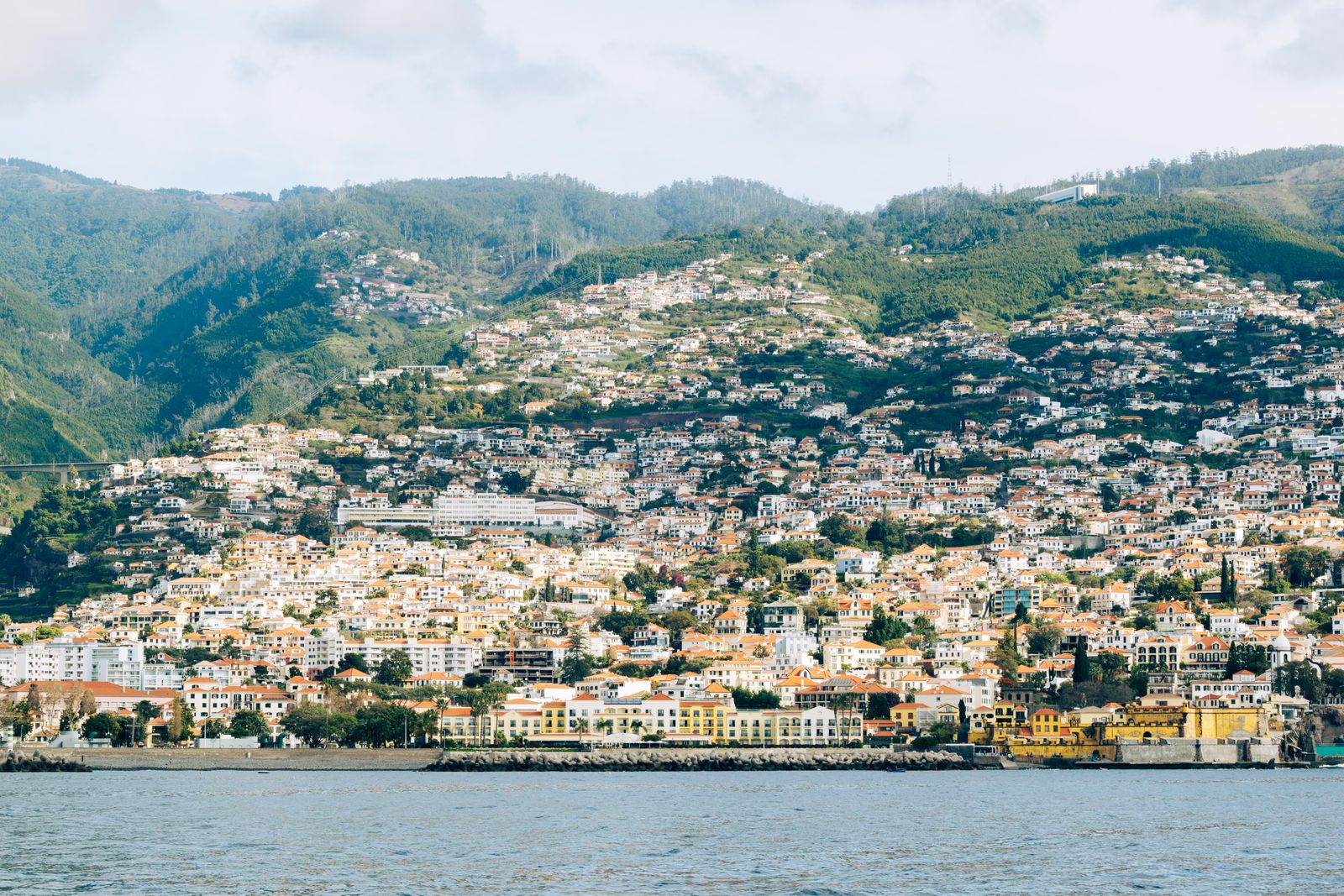
The capital is the easiest all-round base: the widest choice of hotels and apartments, restaurants, the old town, gardens, cable car and transport links. Stay here if it is your first trip or you do not want to drive every day.
The southwest coast
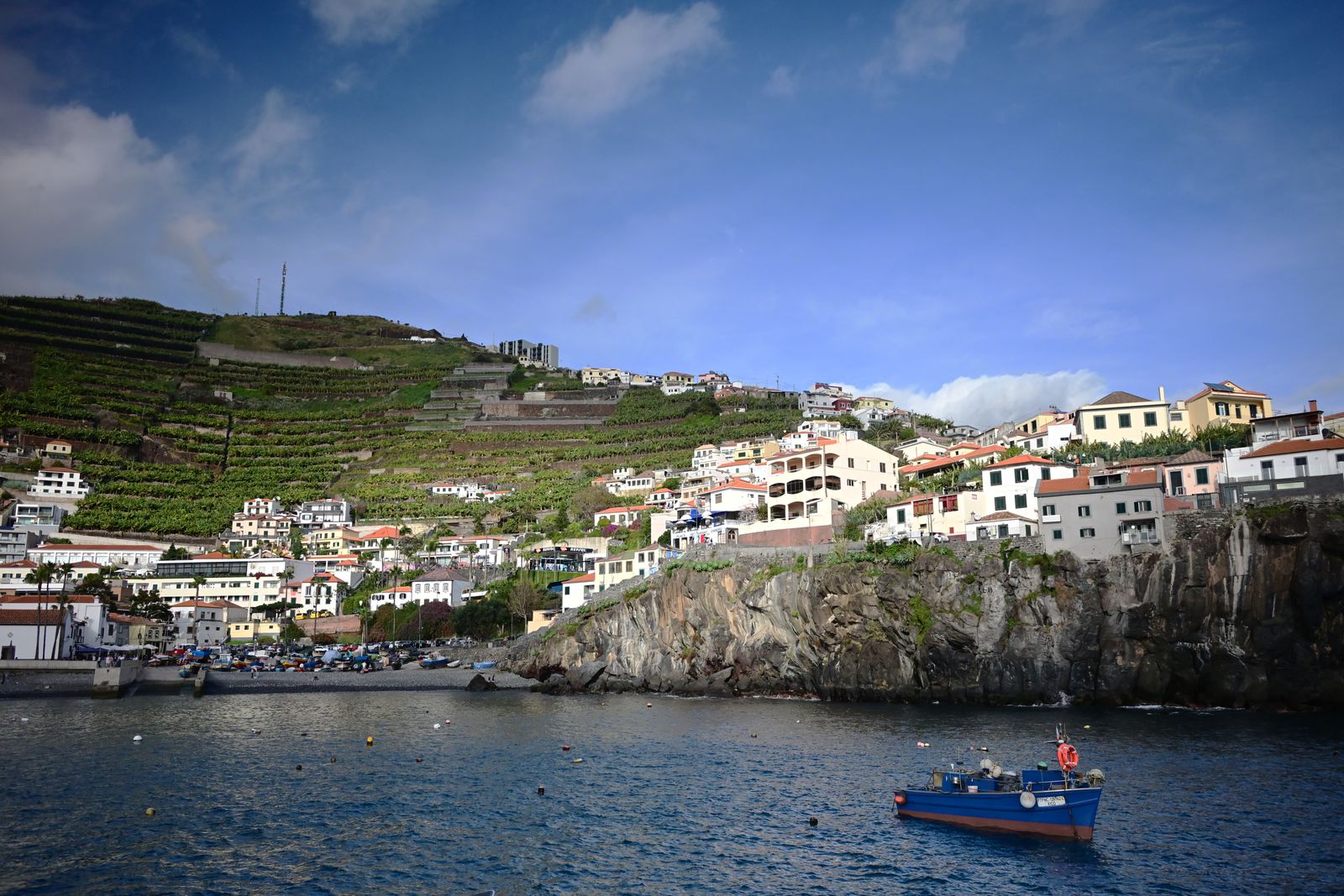
Câmara de Lobos, Ribeira Brava, Ponta do Sol and Calheta catch more sun and offer a quieter rhythm — small hotels, sea access and sunset-facing terraces, with Funchal still in day-trip range.
The north coast
São Vicente, Seixal and Porto Moniz are greener, wilder and more rural. Base here for scenery, natural pools and a slower pace — and accept more driving and more weather.
Santa Cruz & the east
Handy for the airport and the São Lourenço peninsula, with a local-town feel. A good short-stay or early-flight base.
Things to do
- Walk a suitable levada trail — the irrigation-channel paths range from gentle strolls to serious mountain routes; check current conditions and closures first
- Ride the cable car from Funchal to Monte and explore the gardens at the top
- Spend a morning in Funchal’s old town and market area, then a botanical garden in the afternoon
- Swim at the volcanic bathing pools at Porto Moniz when sea conditions allow
- Drive the north coast road through Seixal and São Vicente for cliffs, waterfalls and viewpoints
- Catch sunrise or clear morning views around Pico do Arieiro, the island’s famous high peak drive
- Walk the Ponta de São Lourenço peninsula for Madeira’s drier, red-rock side
- Take a boat trip from Funchal — dolphin and whale watching runs in suitable conditions
Sample 3-day itinerary
Funchal: old town and market in the morning, cable car to Monte and the gardens after lunch, harbour-side dinner.
The high country and a levada: a morning viewpoint around Pico do Arieiro (weather permitting), then a gentle levada walk, back to Funchal by evening.
The north coast loop: São Vicente, Seixal and the Porto Moniz natural pools, returning via the southwest sun coast.
Madeira in pictures
Madeira FAQ
How many days do I need in Madeira?
Four to seven days suits most first trips: enough for Funchal, a levada walk or two, the north coast and a high-country day, without rushing.
Do I need a car in Madeira?
Not if you base in Funchal and use tours and buses. A car helps most for trailheads, the north coast and early starts — but the driving is steep and winding.
When is Madeira warmest?
Summer and early autumn bring the warmest, driest coastal weather. Winter stays mild at sea level, which is exactly why people come then.
Are levada walks difficult?
They range from flat and easy to exposed and demanding. Choose a route that matches your fitness, wear grippy shoes, and always check official conditions before setting out.
Plan this trip
Compare options for this island with our travel partners — links open in a new tab.